White Birch (Paper Birch) vs Common Cattail - TreeTime.ca

White Birch (Paper Birch) vs Common Cattail

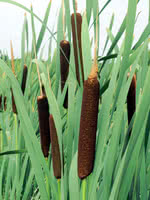
Typha latifolia

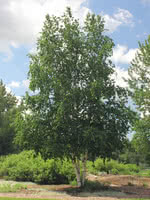
Betula papyrifera

CUSTOM GROW

Common Cattail
White Birch (Paper Birch)

Cattail is found all across North America, growing next to water. Like other waterside plants, Cattail provides erosion control and forage for animals.

It is suitable for land reclamation. Cattail is able to tolerate cold weather and occasional flooding.

White Birch is a large, attractive deciduous tree. This fast-growing, cold hardy species has distinctive white papery bark that peels in layers, making it a beautiful ornamental or accent tree. White Birch also makes great firewood.

Common Cattail Quick Facts

White Birch (Paper Birch) Quick Facts

Lowest Price: $7.99 - SAVE UP TO 15%
Zone: 1a
Zone: 2a
Height: 2.4 m (8 ft)
Height: 18 m (60 ft)
Spread: 1.5 m (5 ft)
Spread: 11 m (35 ft)
Light: partial shade, full sun
Light: full sun
Moisture: wet
Moisture: normal, wet
Growth rate: fast
Growth rate: fast
Life span: short
Life span: long
Suckering: medium
Suckering: none


Foliage: thick, flat
Bark: white, papery, peeling
Flowers: yellow and green
Seeds: located within the catkins
Hybrid: no
Hybrid: no
Catkins: no
Catkins: yes


Native to: AB, BC, SK, MB, ON, QC, NS, NB, NL, YT, NT, NU, PE
Native to: AB, BC, SK, MB, ON, QC, NS, NB, NL, YT, NT, PE
Other Names: baco, bulrush, cat o nine tails, cossack asparagus, flag, reed mace, rush
Other Names: american white birch, canoe birch, paper birch