 Owned
Owned

River Birch vs Seaside Arrowgrass
Betula nigra
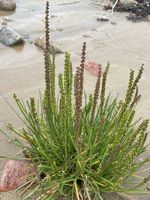
Triglochin maritima
NOT AVAILABLE THIS SEASON - MIGHT RETURN
CUSTOM GROW
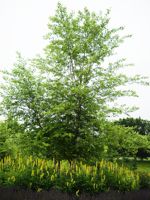
River Birch has beautiful, peeling, brown bark that reveals camel-colored and pink beneath. It is more borer resistant than white bark birches, which makes it a much longer-lived landscape tree.
Seaside Arrowgrass is a native perennial commonly found in wetlands, salt marshes, and moist meadows. It is especially suitable for difficult growing sites. Its dense root system helps stabilize soil, while also providing food, cover, and habitat for small animals within the wetland community.
Seaside Arrowgrass is suitable for shoreline stabilization, wetland restoration, and naturalization projects.
River Birch Quick Facts
Seaside Arrowgrass Quick Facts
Toxicity: can be toxic to humans and livestock