 Owned
Owned

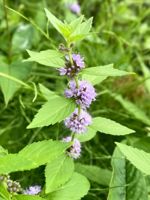
Common Cattail vs Canada Mint
Typha latifolia
Mentha canadensis
CUSTOM GROW
NOT AVAILABLE THIS SEASON - MIGHT RETURN
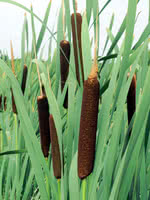
Cattail is found all across North America, growing next to water. Like other waterside plants, Cattail provides erosion control and forage for animals.
It is suitable for land reclamation. Cattail is able to tolerate cold weather and occasional flooding.
Canada Mint is a native perennial plant known for its fragrant edible leaves. It produces small white to purple flowers in clusters around the stem and is commonly found in wet areas, including ditches and along wetlands, lakes, and rivers. The leaves can be eaten fresh or used to make teas and essential oils.
Canada Mint can spread quickly through underground rhizomes, making it well-suited to naturalization and restoration projects where it can spread freely. In smaller urban yards or gardens, container planting is recommended to help manage its growth. If planted directly in the ground, regular care and maintenance may be needed to limit its spread.