 Owned
Owned

Western Snowberry vs Common Cattail
Symphoricarpos occidentalis
Typha latifolia
NOT AVAILABLE THIS SEASON - MIGHT RETURN
CUSTOM GROW
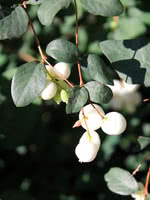

Like the Common Snowberry, the Western Snowberry is a small shrub with pink flowers useful for feeding livestock and preventing erosion. Unlike the common species, however, the Western Snowberry is much more suited to wet conditions, capable of persevering through poor soil drainage and occasional flooding.
After the Snowberry's flowers have bloomed, it produces berries which often last on the plant through winter. These berries are toxic to humans, but livestock and local wildlife love them! Those hoping to attract wildlife to their property can plant Snowberry and expect to see animals foraging on it much later in the year than other plants.
Cattail is found all across North America, growing next to water. Like other waterside plants, Cattail provides erosion control and forage for animals.
It is suitable for land reclamation. Cattail is able to tolerate cold weather and occasional flooding.
Western Snowberry Quick Facts
Common Cattail Quick Facts
Toxicity: berries are toxic to humans