 Owned
Owned

Blue Moon Wisteria vs Canada Mint
Wisteria macrostachya Blue Moon
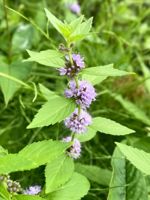
Mentha canadensis
NOT AVAILABLE THIS SEASON - MIGHT RETURN
NOT AVAILABLE THIS SEASON - MIGHT RETURN
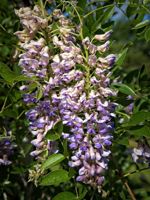
Blue Moon Wisteria is a striking, flowering vine, and the hardiest of the wisterias. Up to three times in one growing season you can expect showy, fragrant, lavender-blue flowers.
Make sure you plan your site as this vine requires a structure to support its mature weight. Try planting close to a post, trellis, or fence.
Canada Mint is a native perennial plant known for its fragrant edible leaves. It produces small white to purple flowers in clusters around the stem and is commonly found in wet areas, including ditches and along wetlands, lakes, and rivers. The leaves can be eaten fresh or used to make teas and essential oils.
Canada Mint can spread quickly through underground rhizomes, making it well-suited to naturalization and restoration projects where it can spread freely. In smaller urban yards or gardens, container planting is recommended to help manage its growth. If planted directly in the ground, regular care and maintenance may be needed to limit its spread.
Blue Moon Wisteria Quick Facts
Canada Mint Quick Facts
Toxicity: can be toxic to cats, dogs, and horses when consumed