 Owned
Owned

Mon-Fri 9am - 5pm Mountain time
Cart reopens in October
Subscribe to our email list
to stay updated
Silver Leaf Willow vs Common Cattail
Salix alba var. sericea
Typha latifolia
COMING SOON
(new stock expected: fall of 2026)
CUSTOM GROW
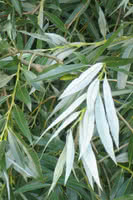
Silver Leaf Willow has orangish bark and long, silvery grey leaves. Bees and other insects are attracted to its flowers.
Popular as an ornamental tree for parks, it is also used as a shelterbelt species. It may not be as cold hardy as some of the other willow varieties, however.
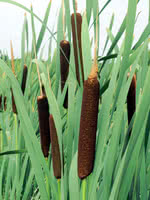
Cattail is found all across North America, growing next to water. Like other waterside plants, Cattail provides erosion control and forage for animals.
It is suitable for land reclamation. Cattail is able to tolerate cold weather and occasional flooding.