 Owned
Owned

Bog Birch vs Red Alder
Alnus rubra
Betula pumila
CUSTOM GROW
NOT AVAILABLE THIS SEASON - MIGHT RETURN
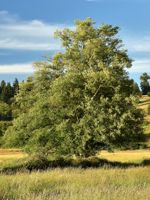
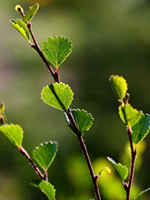
Red Alder is a fast-growing deciduous tree native to western North America. Through its nitrogen-fixing roots and nitrogen-rich leaf litter, Red Alder improves soil fertility and supports the growth of surrounding plants. This makes it especially valuable on disturbed sites following logging, construction, or fire. A classic pioneer species, it often colonizes bare ground and enhances conditions for longer-lived conifers to follow.
Red Alder stabilizes soils on streambanks and disturbed slopes, reducing erosion and aiding restoration. It also supports wildlife: birds and small mammals eat the seeds and buds, deer and elk browse the foliage, and bees are drawn to the pollen-rich catkins in spring.
Red Alder also has commercial importance, with its strong yet workable wood widely used for furniture, cabinetry, veneer, and pulp. The tree takes its name from the rusty-red color the bark turns when cut or bruised.
Bog Birch is a hardy, deciduous shrub native to North America. It thrives in wetlands, riparian zones, and boreal forests, and can be found as far north as the Arctic Circle—making it one of the few woody plants to grow in such extreme climates.
In Western Canada, it is especially common in moist lowlands, along streambanks, and in peatlands. Beyond its ecological role in stabilizing soils and supporting wildlife, Bog Birch is frequently used in reclamation and restoration projects due to its resilience and ability to establish quickly in disturbed or degraded landscapes.
Note: We use Bog Birch for Betula pumila. This species is also known by many other common names, including Dwarf Birch, Swamp Birch, and others. Please confirm the scientific name to ensure you are ordering the correct plant.