 Owned
Owned

Nodding Onion vs Lewis Mock Orange
Philadelphus lewisii
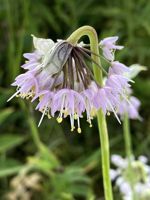
Allium cernuum
NOT AVAILABLE THIS SEASON - MIGHT RETURN
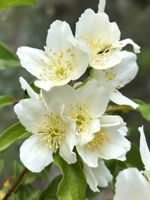
Lewis Mock Orange is a flowering ornamental shrub that produces an abundance of white, fragrant blooms. The flowers have a sweet scent similar to orange blossoms, with a hint of pineapple. They bloom for several weeks from late spring to early summer, attracting pollinators and other beneficial insects.
Native to North America, Lewis Mock Orange is found from the southernmost portions of Alberta and British Columbia, and south into the northwestern United States. It makes an attractive shrub and can be used in hedgerows, pollinator gardens, and naturalization projects. Blooms occur on the previous year’s wood, so it is recommended to prune after it has finished flowering.
Nodding Onion is a native perennial wildflower known for its nodding clusters of flowers that range in color from white to pink to purple. The lightly scented blooms provide pollen and nectar for pollinators, especially bees, which can collect while hanging upside down, a capability most other insects lack.
The narrow, grass-like leaves of the Nodding Onion can be used as a seasoning in cooked dishes, though bulbs and raw leaves should not be eaten in large quantities. All parts of the plant have an onion-like aroma when bruised, which helps deter deer and rabbits. They can self-seed readily, so removing spent blooms helps manage their spread. Tolerant of a range of soils, including alkaline, it is well-suited for a variety of plantings, including pollinator gardens and naturalization projects.
Lewis Mock Orange Quick Facts
Nodding Onion Quick Facts
Toxicity: raw leaves and bulbs can be midly toxic