 Owned
Owned

Anise Hyssop vs Canada Mint
Mentha canadensis
Agastache foeniculum
NOT AVAILABLE THIS SEASON - MIGHT RETURN
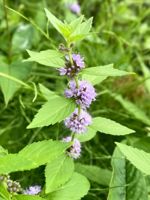
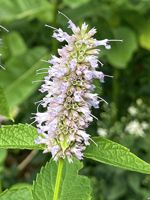
Canada Mint is a native perennial plant known for its fragrant edible leaves. It produces small white to purple flowers in clusters around the stem and is commonly found in wet areas, including ditches and along wetlands, lakes, and rivers. The leaves can be eaten fresh or used to make teas and essential oils.
Canada Mint can spread quickly through underground rhizomes, making it well-suited to naturalization and restoration projects where it can spread freely. In smaller urban yards or gardens, container planting is recommended to help manage its growth. If planted directly in the ground, regular care and maintenance may be needed to limit its spread.
Anise Hyssop is a native perennial wildflower known for its fragrant spikes of small purple flowers. This plant is an excellent source of nectar and is highly attractive to a variety of bees and other pollinators. Deadheading spent flowers will encourage more blooms throughout the season.
Its aromatic leaves release an anise-like (licorice) scent when crushed. Both the leaves and seeds are edible and have been used in teas and as flavouring. Leaves can be harvested at any time, though the oil content is highest just past full bloom. Deer tend to avoid Anise Hyssop because of its strong-smelling leaves. This makes it a useful plant for positioning as a protective border around more vulnerable species.
Anise Hyssop spreads by seeds and rhizomes, but is less aggressive than other members of the mint family and is easy to remove if needed. Historically, it was planted in large numbers as a honey plant to support apiaries. Birds also feed on its seeds, adding to its ecological value.