 Owned
Owned

Cow Parsnip vs Canada Anemone
Heracleum maximum
Anemonastrum canadense (Anemone canadensis)
CUSTOM GROW
NOT AVAILABLE THIS SEASON - MIGHT RETURN
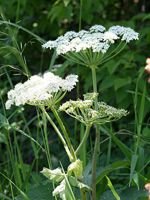
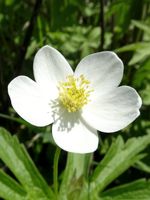
Cow Parsnip is a native perennial wildflower known for its tall growth, very large leaves, and broad clusters of white flowers. The abundant blossoms provide nectar and pollen for a wide variety of pollinators, including bees and butterflies. Birds and small mammals feed on its seeds, while the foliage serves as a larval host for certain butterfly species.
Cow Parsnip is often among the first native perennials to establish in disturbed or open sites. It typically grows in moist meadows, along streambanks, forest edges, and roadsides. Although usually a short-lived perennial or biennial, it readily self-seeds and maintains strong populations where conditions are favorable.
Cow Parsnip is the only native Heracleum in North America and should not be confused with the highly invasive Giant Hogweed (H. mantegazzianum).
Note: The sap of the Cow Parsnip can cause phytodermatitis when exposed to ultraviolet light (sunlight). This can cause rashes or even burns. Care should be taken if pruning or handling this plant.
Canada Anemone is a native perennial wildflower known for its white, buttercup-like flowers. Blooming from mid-spring to early summer, it attracts a variety of pollinators, including bees, butterflies, and other beneficial insects. Its deep green foliage, characterized by deeply cut leaves with sharply toothed edges, adds texture and visual interest to the landscape even when the plant is not in bloom.
Canada Anemone grows naturally in moist meadows, forest edges, and riparian zones. Spreading rapidly through underground rhizomes, it forms large colonies that can help stabilize soil. It is well-suited to naturalization and restoration projects, including revegetating difficult, wet sites. Also suitable for rain gardens and pollinator gardens, but extra care and maintenance may be required to control its spread in smaller urban yards.
Cow Parsnip Quick Facts
Canada Anemone Quick Facts
Toxicity: sap causes skin irritation
Toxicity: all plants parts toxic if ingested, can cause skin irritation