 Owned
Owned

Wood Lily vs Canada Mint
Lilium philadelphicum
Mentha canadensis
CUSTOM GROW
NOT AVAILABLE THIS SEASON - MIGHT RETURN
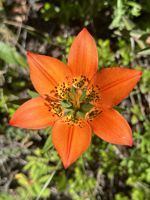
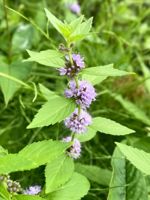
Wood Lily is a native perennial wildflower known for its vibrant, trumpet-shaped blooms in shades of orange to red. Its showy flowers appear mid-summer and are highly visible in meadows and prairies. The upward-facing flowers are an important nectar source for many pollinators, including native bees, butterflies, and hummingbirds.
Unlike most lilies, the Wood Lily’s flowers face upward rather than nodding. It is slow to establish and may take years before flowering, but once mature, it requires little maintenance. It is well-suited for pollinator gardens, naturalisation projects, prairie restoration, and open woodland plantings.
Wood Lily is the provincial flower of Saskatchewan and North America’s most widespread lily. Despite its wide natural range, populations have been declining. Habitat loss, overgrazing by deer, and unsustainable picking have reduced both its abundance and density across many regions. These pressures highlight the importance of protecting and restoring this once-common wildflower.
Canada Mint is a native perennial plant known for its fragrant edible leaves. It produces small white to purple flowers in clusters around the stem and is commonly found in wet areas, including ditches and along wetlands, lakes, and rivers. The leaves can be eaten fresh or used to make teas and essential oils.
Canada Mint can spread quickly through underground rhizomes, making it well-suited to naturalization and restoration projects where it can spread freely. In smaller urban yards or gardens, container planting is recommended to help manage its growth. If planted directly in the ground, regular care and maintenance may be needed to limit its spread.
Wood Lily Quick Facts
Canada Mint Quick Facts
Toxicity: toxic to cats