 Owned
Owned

Canada Red Rhubarb vs Canada Mint
Mentha canadensis
Rheum rhabarbarum Canada Red
NOT AVAILABLE THIS SEASON - MIGHT RETURN
NOT AVAILABLE THIS SEASON - MIGHT RETURN
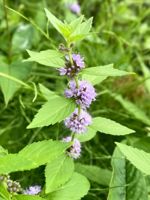
Canada Mint is a native perennial plant known for its fragrant edible leaves. It produces small white to purple flowers in clusters around the stem and is commonly found in wet areas, including ditches and along wetlands, lakes, and rivers. The leaves can be eaten fresh or used to make teas and essential oils.
Canada Mint can spread quickly through underground rhizomes, making it well-suited to naturalization and restoration projects where it can spread freely. In smaller urban yards or gardens, container planting is recommended to help manage its growth. If planted directly in the ground, regular care and maintenance may be needed to limit its spread.
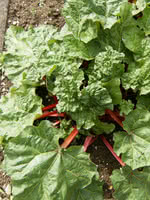
The Canada Red Rhubarb is a perennial vegetable grown primarily for its sweet-tart edible leaf stalks that are commonly used in jams, sauces and pies. This plant develops from a short crown, growing thick stems with large heart-shaped leaves that retain their green color throughout the season. In summer, white flowers appear above the green foliage.
The Canada Red Rhubarb typically grows shorter, more slender stalks that feature a striking red color with a sweeter flavor than other cultivars. For a more reliable crop, it is recommended not to harvest the Canada Red Rhubarb in its first year of growth to allow its root system to establish.
Canada Mint Quick Facts
Canada Red Rhubarb Quick Facts
Toxicity: leaves are highly toxic (oxalic acid)