 Owned
Owned

Blue Boy Clematis vs Canada Anemone
Clematis integrifolia Blue Boy
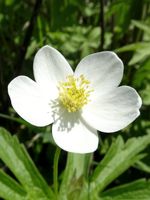
Anemonastrum canadense (Anemone canadensis)
NOT AVAILABLE THIS SEASON - MIGHT RETURN
NOT AVAILABLE THIS SEASON - MIGHT RETURN
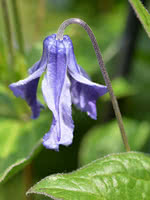
Blue Boy Clematis is a cold-hardy, fast growing, woody climbing vine. Hundreds of stunning steel-blue bell shaped flowers adorn the vine throughout the summer that droop and appear to hang in the air. The fibrous stems spread and create a fan-like symmetry shape.
This species will do best with support from a trellis, fence, or even other shrubs or tree stumps.
The Blue Boy Clematis was developed in Manitoba, Canada in 1947 by famous breeder Frank L. Skinner by crossing C. integrifolia x C. viticella, but it didn’t gain popularity until the 1990’s.
Canada Anemone is a native perennial wildflower known for its white, buttercup-like flowers. Blooming from mid-spring to early summer, it attracts a variety of pollinators, including bees, butterflies, and other beneficial insects. Its deep green foliage, characterized by deeply cut leaves with sharply toothed edges, adds texture and visual interest to the landscape even when the plant is not in bloom.
Canada Anemone grows naturally in moist meadows, forest edges, and riparian zones. Spreading rapidly through underground rhizomes, it forms large colonies that can help stabilize soil. It is well-suited to naturalization and restoration projects, including revegetating difficult, wet sites. Also suitable for rain gardens and pollinator gardens, but extra care and maintenance may be required to control its spread in smaller urban yards.
Blue Boy Clematis Quick Facts
Canada Anemone Quick Facts
Toxicity: all plants parts toxic if ingested, can cause skin irritation