 Owned
Owned

Chives vs Canada Anemone
Allium schoenoprasum
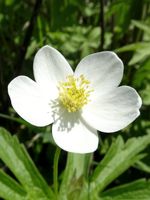
Anemonastrum canadense (Anemone canadensis)
NOT AVAILABLE THIS SEASON - MIGHT RETURN
NOT AVAILABLE THIS SEASON - MIGHT RETURN
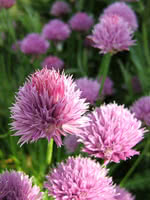
Chives are small bulbous perennials commonly used as herbs in cooking for a mild onion like flavour. Chives also add ornamental benefits to your yard with their tubular grass-like leaves and clusters of pale purple flowers. The flower heads can also be used as a garnish or in oils.
It is best to harvest Chives from the base to maintain the attractive clumps. If the flowers are not dead-headed, it will self-seed. Planting our overwintered chives will give you a head start in your vegetable garden.
Canada Anemone is a native perennial wildflower known for its white, buttercup-like flowers. Blooming from mid-spring to early summer, it attracts a variety of pollinators, including bees, butterflies, and other beneficial insects. Its deep green foliage, characterized by deeply cut leaves with sharply toothed edges, adds texture and visual interest to the landscape even when the plant is not in bloom.
Canada Anemone grows naturally in moist meadows, forest edges, and riparian zones. Spreading rapidly through underground rhizomes, it forms large colonies that can help stabilize soil. It is well-suited to naturalization and restoration projects, including revegetating difficult, wet sites. Also suitable for rain gardens and pollinator gardens, but extra care and maintenance may be required to control its spread in smaller urban yards.
Chives Quick Facts
Canada Anemone Quick Facts
Toxicity: all plants parts toxic if ingested, can cause skin irritation