Trembling Aspen vs Common Cattail - TreeTime.ca

Trembling Aspen vs Common Cattail

Typha latifolia

Populus tremuloides

CUSTOM GROW
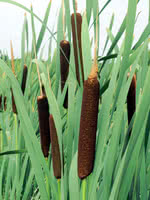
Common Cattail
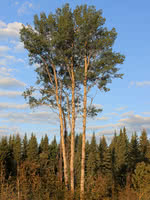
Trembling Aspen

Cattail is found all across North America, growing next to water. Like other waterside plants, Cattail provides erosion control and forage for animals.

It is suitable for land reclamation. Cattail is able to tolerate cold weather and occasional flooding.

Trembling Aspen is a hardy, fast-growing tree. It is known for its unique "trembling" leaf movement and beautiful bark that whitens with age.

This native shade tree tolerates a range of growing conditions and requires little maintenance.

Common Cattail Quick Facts

Trembling Aspen Quick Facts

Lowest Price: $2.99 - SAVE UP TO 40%
Zone: 1a
Zone: 1a
Height: 2.4 m (8 ft)
Height: 25 m (82 ft)
Spread: 1.5 m (5 ft)
Spread: 9 m (30 ft)
Light: partial shade, full sun
Light: full sun
Moisture: wet
Moisture: dry, normal
Growth rate: fast
Growth rate: fast
Life span: short
Life span: short
Suckering: medium
Suckering: high
Maintenance: medium


Foliage: thick, flat
Fall colour: brilliant yellow
Flowers: yellow and green
Seeds: fluff
Hybrid: no
Hybrid: no
Catkins: no
Catkins: yes


Native to: AB, BC, SK, MB, ON, QC, NS, NB, NL, YT, NT, NU, PE
Other Names: baco, bulrush, cat o nine tails, cossack asparagus, flag, reed mace, rush
Other Names: american aspen, golden aspen, mountain aspen, quaking aspen, quiver leaf aspen, trembling poplar, white poplar