 Owned
Owned

Mon-Fri 9am - 5pm Mountain time
Cart reopens in October
Subscribe to our email list
to stay updated
Blue Beech vs Anise Hyssop
Carpinus caroliniana
Agastache foeniculum
NOT AVAILABLE THIS SEASON - MIGHT RETURN
COMING SOON
(new stock expected: fall of 2026)
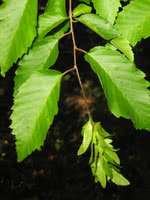
Blue Beech is a beautiful, ornamental tree with enticing features. The foliage transforms throughout the season, offering a kaleidoscope of color. New leaves emerge reddish-purple, transforming to dark green, and then turn striking shades of yellow, orange, and red in fall. Once all the foliage has dropped, grooved, blue-grey bark becomes striking on a winter landscape.
Blue Beech has an attractive globular shape and has been successfully grown in both full shade and full sun locations. Make sure you provide ample moisture to ensure this tree thrives.
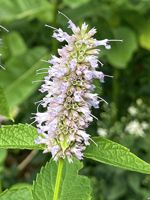
Anise Hyssop is a native perennial wildflower known for its fragrant spikes of small purple flowers. This plant is an excellent source of nectar and is highly attractive to a variety of bees and other pollinators. Deadheading spent flowers will encourage more blooms throughout the season.
Its aromatic leaves release an anise-like (licorice) scent when crushed. Both the leaves and seeds are edible and have been used in teas and as flavouring. Leaves can be harvested at any time, though the oil content is highest just past full bloom. Deer tend to avoid Anise Hyssop because of its strong-smelling leaves. This makes it a useful plant for positioning as a protective border around more vulnerable species.
Anise Hyssop spreads by seeds and rhizomes, but is less aggressive than other members of the mint family and is easy to remove if needed. Historically, it was planted in large numbers as a honey plant to support apiaries. Birds also feed on its seeds, adding to its ecological value.