 Owned
Owned

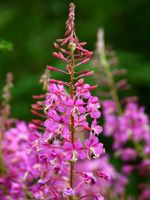
Common Cattail vs Fireweed
Typha latifolia
Chamaenerion angustifolium (Epilobium angustifolium)
CUSTOM GROW
CUSTOM GROW
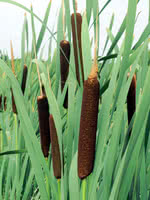
Cattail is found all across North America, growing next to water. Like other waterside plants, Cattail provides erosion control and forage for animals.
It is suitable for land reclamation. Cattail is able to tolerate cold weather and occasional flooding.
Fireweed is a native perennial wildflower known for its tall spikes of bright pink to purple blooms. Its long-lasting summer flowers are an important nectar source for pollinators such as bees, butterflies, and hummingbirds, while its seeds provide food for birds. Its showy, long-lasting display makes it visually striking in naturalized plantings.
Fireweed gets its namesake because it is often one of the first species to return after wildfires, supporting ecosystem recovery. Its wind-dispersed seeds allow it to spread readily, making it highly effective in large-scale restoration, revegetation, and naturalization projects.
Fireweed is the Provincial Flower of the Yukon.