 Owned
Owned

Common Cattail vs Peachleaf Willow
Typha latifolia
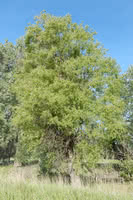
Salix amygdaloides
CUSTOM GROW
NOT AVAILABLE THIS SEASON - MIGHT RETURN
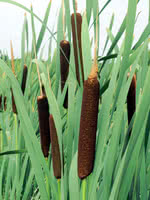
Cattail is found all across North America, growing next to water. Like other waterside plants, Cattail provides erosion control and forage for animals.
It is suitable for land reclamation. Cattail is able to tolerate cold weather and occasional flooding.
The Peachleaf Willow is often a multi-stemmed willow that generally grows into a tall shrub. This versatile and useful small tree is often seen in riparian zones and erosion control projects. Wildlife rely on the twigs, foliage and bark for food.
A widely distributed willow species, it's long pointed leaves are dark green on top and pale green underneath. The Peachleaf Willow is the tallest of the native prairie willows reaching 40ft in height.