 Owned
Owned

Mon-Fri 9am - 5pm Mountain time
Cart reopens in October
Subscribe to our email list
to stay updated
Water Sedge vs Common Cattail
Carex aquatilis
Typha latifolia
CUSTOM GROW
CUSTOM GROW
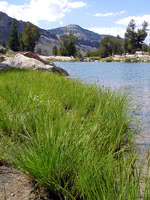
Water Sedge is a waterside grass which grows an extensive horizontal root system. This prevents erosion and allows it to grow back after being eaten.
Water sedge is grazed by many animals including cattle, sheep, horses and waterfowl. Animals choose Water Sedge for forage later in the year as it stays green longer than other plants, requiring you to buy feed for less of the year.
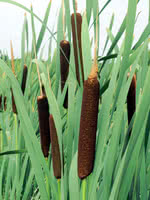
Cattail is found all across North America, growing next to water. Like other waterside plants, Cattail provides erosion control and forage for animals.
It is suitable for land reclamation. Cattail is able to tolerate cold weather and occasional flooding.