 Owned
Owned

Western Snowberry vs American Sweet Flag
Symphoricarpos occidentalis
Acorus americanus
NOT AVAILABLE THIS SEASON - MIGHT RETURN
CUSTOM GROW
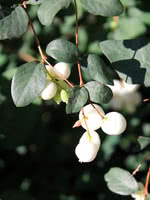
Like the Common Snowberry, the Western Snowberry is a small shrub with pink flowers useful for feeding livestock and preventing erosion. Unlike the common species, however, the Western Snowberry is much more suited to wet conditions, capable of persevering through poor soil drainage and occasional flooding.
After the Snowberry's flowers have bloomed, it produces berries which often last on the plant through winter. These berries are toxic to humans, but livestock and local wildlife love them! Those hoping to attract wildlife to their property can plant Snowberry and expect to see animals foraging on it much later in the year than other plants.
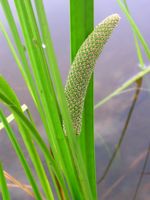
American Sweet Flag is a native perennial wetland plant found along shorelines, streams, wet meadows, and marshes. Its extensive rhizome system allows it to spread and stabilise soil, helping maintain the edges of ponds and streams. This dense growth provides cover for small animals and supports overall wetland biodiversity, while the rhizomes and seeds serve as food for small mammals and waterfowl. Cold-hardy and resilient, it is well-suited for ecological restoration, riparian plantings, erosion control, and naturalization projects.
The plant grows in dense clumps with tall, sword-shaped leaves that release a citrus-like scent when bruised. The rhizomes are aromatic, with a spicy, cinnamon-like fragrance that has been used in perfumery and flavouring. In early summer, American Sweet Flag produces a distinctive floral spike (spadix), adding visual interest to wetland plantings.
Western Snowberry Quick Facts
American Sweet Flag Quick Facts
Toxicity: berries are toxic to humans