 Owned

Common Juniper vs Nannyberry
Viburnum lentago
Juniperus communis
NOT AVAILABLE THIS SEASON - MIGHT RETURN
NOT AVAILABLE THIS SEASON - MIGHT RETURN
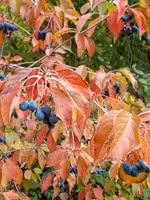
Nannyberry is a hardy shrub known for attracting wildlife. Its clusters of white flowers and tasty berries are suitable for bees, birds, and other animals.
Nannyberry is also used in urban yards and landscaping. This shrub makes a beautiful ornamental and is small enough to grow underneath power lines. Its berries can be eaten fresh or used in baking and preserves.
Makes a great hedge or privacy screen in an urban yard. Often has great red fall color to complement its spring flowers.
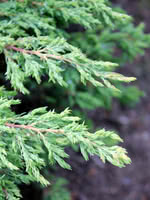
Common Juniper is a wide spreading, coniferous shrub with scaly needles and small, berry-like cones. Used as a landscaping shrub, it typically grows 3 or 4 feet tall and will not spread like Creeping Juniper.
You can plant Common Juniper near building foundations or beneath larger trees to provide year-round color and texture to your yard with minimal maintenance.