 Owned
Owned

Mon-Fri 9am - 5pm Mountain time
Cart reopens in October
Subscribe to our email list
to stay updated
Labrador Tea vs Trader Mulberry
Rhododendron groenlandicum (Ledum groenlandicum)
Morus x Trader
NOT AVAILABLE THIS SEASON - MIGHT RETURN
NOT AVAILABLE THIS SEASON - MIGHT RETURN
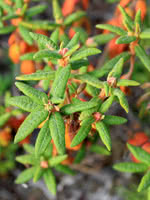

Labrador Tea is slow-growing evergreen shrub native to the boreal forests of Canada.
It thrives in wet, swampy conditions.
Labrador Tea has narrow, leathery, dark green leaves, topped by a cluster of white flowers in the spring. It is a perfect ornamental shrub for boggy, wet areas of your property.
The Trader Mulberry is a rare find. Named for the Trader family who brought the mulberry from Germany when they immigrated to the U.S. in 1982 and planted the original tree at their new homestead in North Dakota. This tree still bears fruit today! Similar to the Illinois Everbearing, but more winter hardy, this mulberry is a cross between white and red mulberry trees. This vigourous tree will produce large, sweet-tasting, virtually-seedless, black fruit throughout the entire summer and is great for fresh eating, jams, and wine. Do not plant near walkways or driveways as the berries can stain.
Labrador Tea Quick Facts
Trader Mulberry Quick Facts
Toxicity: slightly toxic if ingested