 Owned
Owned

Mon-Fri 9am - 5pm Mountain time
Cart reopens in October
Subscribe to our email list
to stay updated
Bearberry vs Eastern Redbud
Arctostaphylos uva-ursi
Cercis canadensis
COMING SOON
(new stock expected: fall of 2026)
COMING SOON
(new stock expected: fall of 2026)
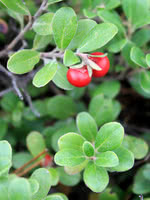
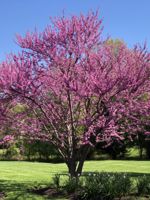
Bearberry is a dwarf shrub known for its creamy pink flowers and red edible fruits.
It is great as a filler in gardens and flowerbeds in place of invasive ground cover plants, like English Ivy.
Bearberry will attract hummingbirds, butterflies and bees to your property. It is one of the top 12 plants recommended by the Alberta Native Bee Council to support pollinators.
The Eastern Redbud is known for the pea-like pink buds that emerge in clusters on the bark, embellishing the tree in stunning flowers. They have a longer bloom time, sometimes for two to three weeks before the heart-shaped leaves emerge for the summer. Inedible pods emerge that turn brown in the summer, this tree is a part of the bean family.
Native to the Eastern North America. The Eastern Redbud can tolerate acidic and alkaline soil. Plant this as a beautiful understory species or shaded residential yard or garden. The bright pop of color will make an attractive ornamental tree.