 Owned
Owned

Mon-Fri 9am - 5pm Mountain time
Cart reopens in October
Subscribe to our email list
to stay updated
Bearberry vs Blue Beech
Carpinus caroliniana
Arctostaphylos uva-ursi
NOT AVAILABLE THIS SEASON - MIGHT RETURN
COMING SOON
(new stock expected: fall of 2026)
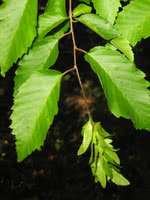
Blue Beech is a beautiful, ornamental tree with enticing features. The foliage transforms throughout the season, offering a kaleidoscope of color. New leaves emerge reddish-purple, transforming to dark green, and then turn striking shades of yellow, orange, and red in fall. Once all the foliage has dropped, grooved, blue-grey bark becomes striking on a winter landscape.
Blue Beech has an attractive globular shape and has been successfully grown in both full shade and full sun locations. Make sure you provide ample moisture to ensure this tree thrives.
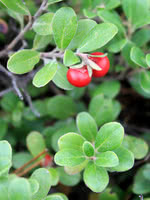
Bearberry is a dwarf shrub known for its creamy pink flowers and red edible fruits.
It is great as a filler in gardens and flowerbeds in place of invasive ground cover plants, like English Ivy.
Bearberry will attract hummingbirds, butterflies and bees to your property. It is one of the top 12 plants recommended by the Alberta Native Bee Council to support pollinators.