 Owned
Owned

Mon-Fri 9am - 5pm Mountain time
Cart reopens in October
Subscribe to our email list
to stay updated
Red Elderberry vs Emerald Cedar
Sambucus racemosa
Thuja occidentalis Smaragd
NOT AVAILABLE THIS SEASON - MIGHT RETURN
COMING SOON
(new stock expected: fall of 2026)
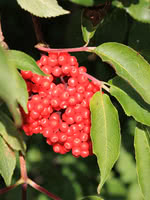
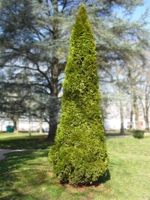
Red Elderberry is an attractive, medium-sized deciduous shrub.
It produces clusters of white flowers in the spring and bright red berry-like drupes, which provide beautiful contrast against its coarse, textured green foliage.
Red Elder can be pruned as a small single or multi-stemmed tree.
Emerald Cedar makes a great addition to landscapes, and is often used to form tight hedges or privacy screens. The thick scale-like foliage adds texture and colour to yards and is commonly used to line driveways. Unlike other cedars it retains its green colour throughout the fall and winter.
It is a semi dwarf species, which generally needs little pruning, but if desired it responds well to trimming. Its attractive, columnar shape and dense foliage makes it a desired landscape feature.
The Emerald Cedar won the award of merit from the Royal Horticultural Society.
Red Elderberry Quick Facts
Emerald Cedar Quick Facts
Toxicity: toxic to humans