 Owned
Owned

Mon-Fri 9am - 5pm Mountain time
Cart reopens in October
Subscribe to our email list
to stay updated
Grey Alder vs Sandbar Willow
Salix exigua
Alnus incana
CUSTOM GROW
NOT AVAILABLE THIS SEASON - MIGHT RETURN
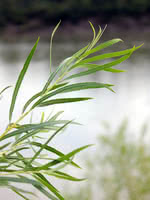
Sandbar Willow is a deciduous species native to much of North America. This mid-sized, fast-growing shrub can be found in very wet areas, making it an ideal plan to use in a wet area with erosion risk.
Sandbar Willow has long, narrow green leaves, and its grassy narrow stems give it an attractive, bamboo-like appearance.
All willow are important to native pollinators each spring as they have higher amounts of pollen and nectar early each growing season when other food sources are scarce.
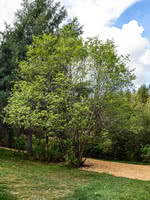
River Alder is a large shrub or small tree with a multi-stemmed, spreading habit. It is an excellent tree to plant if you want to stabilize the soil near rivers and creeks.
Unlike the other alder varieties, River Alder is attractive enough to be included in riverside plantings by municipal and provincial park organizations.
Note: We use Grey Alder for Alnus incana. This species is also known by many other common names, including River Alder, Speckled Alder, and others. Please confirm the scientific name to ensure you are ordering the correct plant.