 Owned
Owned

Mon-Fri 9am - 5pm Mountain time
Cart reopens in October
Subscribe to our email list
to stay updated
Common Caragana vs Emerald Cedar
Caragana arborescens
Thuja occidentalis Smaragd
COMING SOON
(new stock expected: fall of 2026)
COMING SOON
(new stock expected: fall of 2026)
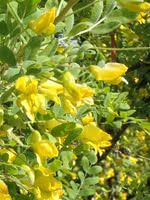
Common Caragana is a fast growing shrub that's known for its exceptional hardiness and drought tolerance. Although it's most commonly planted in shelterbelts, Common Caragana is also an excellent hedge or feature shrub.
Note: in warmer areas, this species can be difficult to contain once planted. Use the right plant in the right place.
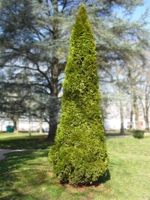
Emerald Cedar makes a great addition to landscapes, and is often used to form tight hedges or privacy screens. The thick scale-like foliage adds texture and colour to yards and is commonly used to line driveways. Unlike other cedars it retains its green colour throughout the fall and winter.
It is a semi dwarf species, which generally needs little pruning, but if desired it responds well to trimming. Its attractive, columnar shape and dense foliage makes it a desired landscape feature.
The Emerald Cedar won the award of merit from the Royal Horticultural Society.
Common Caragana Quick Facts
Emerald Cedar Quick Facts
In row spacing: 0.3 m (1.0 ft)