 Owned
Owned

Mon-Fri 9am - 5pm Mountain time
Cart reopens in October
Subscribe to our email list
to stay updated
Common Caragana vs Lowbush Cranberry
Caragana arborescens
Viburnum edule
COMING SOON
(new stock expected: fall of 2026)
NOT AVAILABLE THIS SEASON - MIGHT RETURN
(new stock expected: fall of 2027)
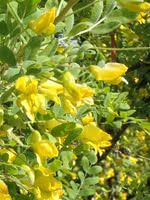
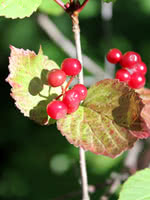
Common Caragana is a fast growing shrub that's known for its exceptional hardiness and drought tolerance. Although it's most commonly planted in shelterbelts, Common Caragana is also an excellent hedge or feature shrub.
Note: in warmer areas, this species can be difficult to contain once planted. Use the right plant in the right place.
Lowbush Cranberry is a short, deciduous shrub native to North America. Its white flowers bear sour but edible fruit that ripens to a brilliant red in fall. Lowbush Cranberry's small size makes it suitable for urban use; buyers will also find it useful if trying to reclaim land back to its original species or when landscaping with native species in damp conditions.
Common Caragana Quick Facts
Lowbush Cranberry Quick Facts
In row spacing: 0.3 m (1.0 ft)