 Owned
Owned

Mon-Fri 9am - 5pm Mountain time
Cart reopens in October
Subscribe to our email list
to stay updated
Russian Olive vs Shagbark Hickory
Elaeagnus angustifolia
Carya ovata
COMING SOON
(new stock expected: fall of 2026)
COMING SOON
(new stock expected: fall of 2026)
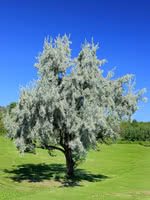
Russian Olive is a medium-sized deciduous tree that has attractive silvery coloured foliage with small yellow flowers that emit a fragrant sweet smell.
It is drought and salt tolerant, and works well as a shelterbelt species. Russian Olive can also be used to combat erosion.
Note: although Russian Olive is planted as an attractive boulevard tree in many northern areas, in warmer areas it can invade watersheds and is considered invasive. Please do some research and plant the right tree in the right place.
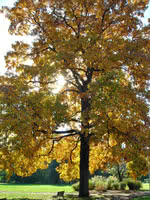
Shagbark Hickory is a unique tree both for its looks and uses. Its bark peels into long thin vertical strips giving it a shaggy appearance. This and its golden fall leaves make it a gorgeous looking tree. This species produces tasty hickory nuts once mature. Hickory smoke is also treasured for curing meats and its generally fantastic smell.
This tree is best planted away from any buildings due to a deep taproot and large size. Many people remark on the unusual taproot for this tree that can be over 6 feet deep while the plant only has 2 feet of top growth.
Russian Olive Quick Facts
Shagbark Hickory Quick Facts
In row spacing: 1.8 - 2.4 m (6 - 8 ft)