 Owned
Owned

Sweetgrass vs Bebbs Sedge
Anthoxanthum hirtum/Anthoxanthum nitens (Hierochloe odorata)
Carex bebbii
CUSTOM GROW
NOT AVAILABLE THIS SEASON - MIGHT RETURN
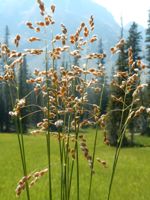
Sweetgrass is a cool-season perennial grass best known for its sweet, vanilla-like fragrance. The scent comes from coumarin in the leaves, which is pleasant to humans but has a bitter taste that makes the plant less appealing to deer and other herbivores. As a cool-season grass, Sweetgrass grows most vigorously in spring and fall, slowing or even going dormant during the heat of summer.
It spreads quickly through creeping rhizomes and can be difficult to remove once established, so it is best planted in areas where its spread will not cause problems. Due to its deep, vigorous root system and preference for moist soils, Sweetgrass is especially useful for erosion control, soil stabilization, riparian plantings, and naturalization projects.
Note: Sweetgrass was formerly classified under the scientific name Hierochloe odorata and its subspecies. The subspecies found in Canada are currently considered two distinct species: Anthoxanthum hirtum, which is native across Canada, and Anthoxanthum nitens, which is native to Eastern Canada. Because these two species are alike and share many overlapping common names, they are often considered as only one species.
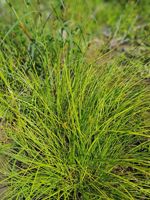
Bebb’s Sedge is a native perennial wetland plant that forms dense clumps of grass-like stems. It grows in a variety of wetland habitats, from marshes and wet meadows to lakeshores and stream banks. Ideal for rain gardens, riparian restoration, soil stabilization, and naturalization projects.
In late spring and early summer, Bebb’s Sedge produces clustered seed heads that mature from green to reddish-brown, adding seasonal interest while providing food and habitat for wildlife. As a cool-season plant, it grows most actively in the spring and as temperatures cool in the fall.
Sweetgrass Quick Facts
Bebbs Sedge Quick Facts
Toxicity: toxic if large amounts ingested