 Owned
Owned

Marsh Cinquefoil vs Showy Milkweed
Asclepias speciosa
Comarum palustre
NOT AVAILABLE THIS SEASON - MIGHT RETURN
CUSTOM GROW

Showy Milkweed is a native perennial wildflower known for its fragrant clusters of pink to purple, star-shaped flowers. It is an essential plant for Monarch butterflies, acting as a critical host plant for caterpillars and a nectar source for adults. Blooming from early to mid-summer, these flowers also supply nectar to many other pollinators, including bees, butterflies, moths, and hummingbirds.
Ideal for butterfly conservation, pollinator gardens, and naturalization projects, Showy Milkweed thrives in a wide range of soils, including dry and rocky ground. While it spreads via underground rhizomes to form colonies, it is much less aggressive than Common Milkweed (Asclepias syriaca).
Note: All parts of the plant contain toxic cardiac glycosides, especially the milky sap. Do not ingest any part of the plant and prevent sap from contacting skin or eyes. Toxic to humans, pets, and livestock.
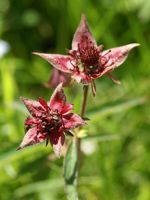
Marsh Cinquefoil is a native perennial wetland plant with striking reddish-purple, star-shaped flowers. They bloom in early to mid-summer, providing nectar for bees, flies, and other pollinators. Beyond its summer blooms, the foliage turns red in autumn, adding seasonal interest to wetland landscapes.
Common in wetlands, pond margins, and wet meadows, Marsh Cinquefoil spreads by rhizomes to form colonies or patches that contribute to shoreline stabilization. It thrives in nutrient-poor, saturated soils where many other plants struggle, making it valuable in challenging wetland conditions. With its ecological function and ornamental appeal, it is well-suited for wetland plantings, ecological restoration, and naturalized projects.
Showy Milkweed Quick Facts
Marsh Cinquefoil Quick Facts
Toxicity: toxic to pets, livestock, and humans if ingested, can cause skin and eye irritation.