 Owned
Owned

Purple Prairie Clover vs Lewis Mock Orange
Dalea purpurea
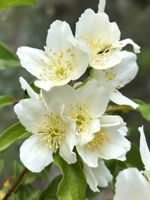
Philadelphus lewisii
NOT AVAILABLE THIS SEASON - MIGHT RETURN
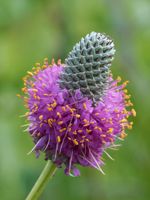
Purple Prairie Clover is a native perennial wildflower known for its striking purple blooms. The flower heads grow as dense spikes on tall stems, with each flower head containing many tiny blossoms. Blooming for 4–6 weeks in the summer, it attracts a variety of pollinators, including bees and butterflies.
The high protein content of the Purple Prairie Clover makes it excellent forage for wildlife and birds like to feed on its seeds. As a nitrogen-fixing plant, it enriches the soil, improving fertility and benefiting nearby vegetation. These ecological contributions make it a great choice for pollinator gardens, prairie & rangeland restoration, naturalization, and re-vegetation efforts.
This drought and heat-tolerant plant thrives in various soil conditions, including rocky soil, making it remarkably easy to grow in challenging environments.
Lewis Mock Orange is a flowering ornamental shrub that produces an abundance of white, fragrant blooms. The flowers have a sweet scent similar to orange blossoms, with a hint of pineapple. They bloom for several weeks from late spring to early summer, attracting pollinators and other beneficial insects.
Native to North America, Lewis Mock Orange is found from the southernmost portions of Alberta and British Columbia, and south into the northwestern United States. It makes an attractive shrub and can be used in hedgerows, pollinator gardens, and naturalization projects. Blooms occur on the previous year’s wood, so it is recommended to prune after it has finished flowering.