 Owned
Owned

Mon-Fri 9am - 5pm Mountain time
Cart reopens in October
Subscribe to our email list
to stay updated
Bur Oak vs Butternut (White Walnut)
Quercus macrocarpa
Juglans cinerea
COMING SOON
(new stock expected: fall of 2026)
NOT AVAILABLE THIS SEASON - MIGHT RETURN
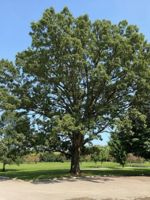
Bur Oak has a wide distribution but is one of the only oaks that will grow well on the prairies. Bur Oak produces deeply lobed, dark green leaves that turn golden yellow to brown in the fall.
Its acorns are round and half enclosed by a mossy fringed cup.
Although slower growing, this long lived tree eventually becomes a popular large ornamental tree for driveways, parks, and the front of industrial buildings. Popular as a memorial or dedication tree.
Note: Most Oak species can be considered toxic for many animals.
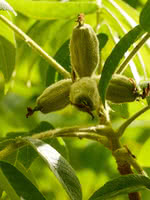
Butternut is one of the few walnut varieties native to Canada. The nuts are sought after for their mild, sweet, and oily taste. Ensure this tree is planted in full sun and well-drained soil for best results.
Butternut is self-fertile but it has better yields when planted near other butternuts. It can survive in zone 2, but reliably produces nuts in zone 3.