 Owned
Owned

Nannyberry vs Arnold Hawthorn
Viburnum lentago
Crataegus arnoldiana
NOT AVAILABLE THIS SEASON - MIGHT RETURN
NOT AVAILABLE THIS SEASON - MIGHT RETURN
(new stock expected: fall of 2027)
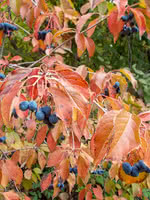
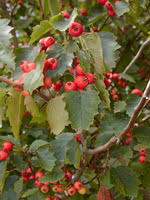
Nannyberry is a hardy shrub known for attracting wildlife. Its clusters of white flowers and tasty berries are suitable for bees, birds, and other animals.
Nannyberry is also used in urban yards and landscaping. This shrub makes a beautiful ornamental and is small enough to grow underneath power lines. Its berries can be eaten fresh or used in baking and preserves.
Makes a great hedge or privacy screen in an urban yard. Often has great red fall color to complement its spring flowers.
Arnold Hawthorn is a low-branched tree favored by wildlife and landscapers. This tree's beautiful white flowers and bright red berries make it an attractive ornamental in anyone's yard. Arnold Hawthorn is also used in windbreaks and riparian planting.
Despite its thorns, Arnold Hawthorn is a popular choice of food and shelter for deer and birds. Humans can also eat these berries fresh or preserved, but Arnold Hawthorn will not have high yields until it matures at 5-8 years.