 Owned
Owned

Mon-Fri 9am - 5pm Mountain time
Cart reopens in October
Subscribe to our email list
to stay updated
Black Hawthorn vs Skybound Cedar
Crataegus douglasii
Thuja occidentalis Skybound
NOT AVAILABLE THIS SEASON - MIGHT RETURN
NOT AVAILABLE THIS SEASON - MIGHT RETURN
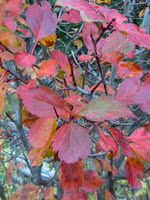
Black Hawthorn is a versatile plant that is native to wetlands and other areas with moist soils, but can also tolerate dry soils. This plant can be grown as a short shrub, or a tree reaching 30 feet tall.
Black Hawthorn is valued for erosion control and attracting pollinators. It also makes an attractive flowering ornamental that can be planted as a specimen or pruned as a hedge. It is commonly used in shelterbelts.
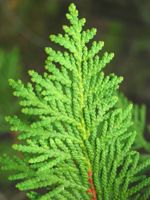
The Skybound Cedar is a newer variety that is usually hardier than the Brandon Cedar and richer in color. The dark green, scale-like foliage maintain their needles and color throughout the winter.
Cedars enjoy average to moist soil conditions and should not be allowed to dry out. It's small size, spread and columnar shape make the Skybound Cedar an excellent accent tree or border hedge that can be expected to live up to 50 years under ideal conditions.