 Owned
Owned

Canada Plum vs Debbies Gold Apricot
Prunus × Debbies Gold
Prunus nigra
COMING SOON
(new stock expected: later this season)
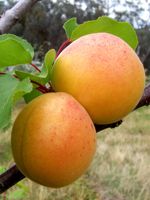
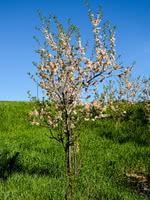
Debbie’s Gold Apricot is a cold-hardy variety known for its firm, sweet, and aromatic fruit. The white to pink flowers bloom several days later than other varieties, making them less susceptible to spring frosts. Their orange-yellow, freestone apricots ripen from late July to mid August and are well-suited for fresh eating, baking, canning, and preserves.
Debbie’s Gold Apricot is generally considered to be partially self-pollinating, but planting with another variety for cross-pollination can increase yields.
Note: While the bloom time is later than other varieties, the flowers are still vulnerable to spring frosts, which can reduce or eliminate the fruit crop.
Canada Plum is a cold-hardy wild plum native to North America with small red fruit. They ripen in mid to late summer, with bitter, astringent skin surrounding sweet, slightly acidic flesh that clings to the stone. While some enjoy eating the plums fresh, they are more commonly used for baking and preserves. It is considered a universal pollinizer for other plum varieties and is often used for grafting or as a rootstock.
White to pink flowers appear in spring, often before the leaves, providing an early source of nectar and pollen for native bees and other pollinators. Birds and other wildlife also feed on the fruit, adding to its ecological value. Canada Plum can grow as a small tree or large, multi-stemmed shrub. It is well suited to a variety of projects, including fruit orchards for cross-pollination, as well as pollinator plantings, naturalization, and restoration projects.