 Owned
Owned

Common Wild Rose vs Eastern Redbud
Rosa woodsii
Cercis canadensis
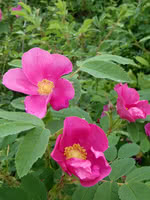
Common Wild Rose produces attractive pink roses and edible bright red rosehips. This tough, native shrub is a beautiful, low-maintenance addition to any garden. Common Wild Rose is very similar to Alberta (Prickly) Wild Rose but with fewer thorns.
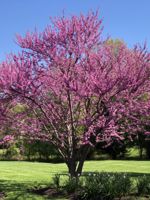
The Eastern Redbud is known for the pea-like pink buds that emerge in clusters on the bark, embellishing the tree in stunning flowers. They have a longer bloom time, sometimes for two to three weeks before the heart-shaped leaves emerge for the summer. Inedible pods emerge that turn brown in the summer, this tree is a part of the bean family.
Native to the Eastern North America. The Eastern Redbud can tolerate acidic and alkaline soil. Plant this as a beautiful understory species or shaded residential yard or garden. The bright pop of color will make an attractive ornamental tree.