 Owned

Labrador Tea vs Killarney Raspberry
Rubus x Killarney
Rhododendron groenlandicum (Ledum groenlandicum)
NOT AVAILABLE THIS SEASON - MIGHT RETURN
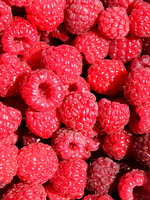
Killarney Raspberry is extremely robust, with some of the best cold and disease resistance available. This could be due, in part, to it being bred in Manitoba.
It is also known for its good flavor and for being firmer than other varieties, which lends to its use in processing like pies, jams, and jellies or for U-Picks.
Killarney Raspberry is a floricane-fruiting variety, meaning it primarily produces fruit on second-year canes (previous season’s new growth). They are also referred to as summer-bearing. In late winter or early spring, cut back all spent floricanes, leaving only last season's canes.
Raspberries are self-fertile, meaning they do not require cross-pollination from another variety to produce fruit.
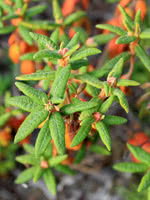
Labrador Tea is slow-growing evergreen shrub native to the boreal forests of Canada.
It thrives in wet, swampy conditions.
Labrador Tea has narrow, leathery, dark green leaves, topped by a cluster of white flowers in the spring. It is a perfect ornamental shrub for boggy, wet areas of your property.
Killarney Raspberry Quick Facts
Labrador Tea Quick Facts
Toxicity: slightly toxic if ingested