 Owned
Owned

Mon-Fri 9am - 5pm Mountain time
Cart reopens in October
Subscribe to our email list
to stay updated
Labrador Tea vs Purple Leaf Sand Cherry
Rhododendron groenlandicum (Ledum groenlandicum)
Prunus x cistena
NOT AVAILABLE THIS SEASON - MIGHT RETURN
CUSTOM GROW
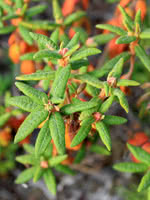
Labrador Tea is slow-growing evergreen shrub native to the boreal forests of Canada.
It thrives in wet, swampy conditions.
Labrador Tea has narrow, leathery, dark green leaves, topped by a cluster of white flowers in the spring. It is a perfect ornamental shrub for boggy, wet areas of your property.
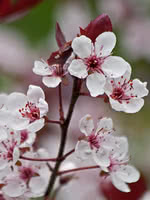
Purple Leaf Sand Cherry provides bright reddish-purple leaves that turn bronze-green in the fall. In the spring, tiny flowers with a pinkish white hue bloom. The flowers are small, but the impact comes from the shrub blossoming all at once.
The Purple leaf sand cherry can be susceptible to pests and diseases in more humid areas; a typical life span is approximately 15 years. Not suitable for a privacy hedge on its own but is often alternated with lilacs. Often used as an accent plant that attracts birds and bees.