 Owned
Owned

Mon-Fri 9am - 5pm Mountain time
Cart reopens in October
Subscribe to our email list
to stay updated
Ninebark vs Lowbush Cranberry
Physocarpus opulifolius
Viburnum edule
CUSTOM GROW
NOT AVAILABLE THIS SEASON - MIGHT RETURN
(new stock expected: fall of 2027)
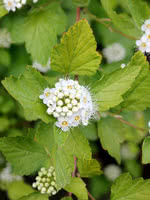
Ninebark is a small, multi-stemmed shrub, that is used to add texture or colour to any yard.
It features flaky, cinnamon-brown bark, attractive white flowers, and long, maple-like leaves.
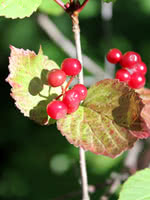
Lowbush Cranberry is a short, deciduous shrub native to North America. Its white flowers bear sour but edible fruit that ripens to a brilliant red in fall. Lowbush Cranberry's small size makes it suitable for urban use; buyers will also find it useful if trying to reclaim land back to its original species or when landscaping with native species in damp conditions.