 Owned
Owned

Tristis Poplar vs Dahurian Birch
Populus x Tristis
Betula davurica
NOT AVAILABLE THIS SEASON - MIGHT RETURN
CUSTOM GROW
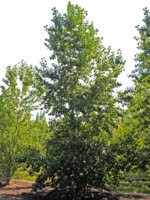
Tristis Poplar is a large deciduous tree. It is cold hardy, disease resistant, and relatively drought tolerant. Tristis Poplar loses its leaves later in the year than other Poplars, making it a great ornamental tree in fall.
It's known for its strongly scented balsamic buds and yellow foliage in autumn. Because of its size, Tristis Poplar is most suitable for large properties and will help prevent wind erosion.
Tristis Poplar is slower-growing than many newer hybrids, for a longer useful lifespan. Tristis grows especially well in the southern prairies due to its resistance to cold dry winds.
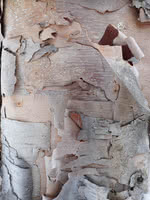
Dahurian Birch is a rare and interesting ornamental with curling bark. This tree is the first to sprout on bare land and is tolerant of dry, gravelly, and infertile soils. Dahurian Birch can grow in industrial areas or exposed land as long as it has full sunlight.
This tree is ideal for landscaping, ornamental, and ecosystem services.
This tree is not well known, but is a favorite of nursery owners across the country.
Tristis Poplar Quick Facts
Dahurian Birch Quick Facts
In row spacing: 2.4 m (8 ft)