 Owned
Owned

Mon-Fri 9am - 5pm Mountain time
Cart reopens in October
Subscribe to our email list
to stay updated
Ginkgo Biloba vs Eastern Red Cedar
Ginkgo biloba
Juniperus virginiana
NOT AVAILABLE THIS SEASON - MIGHT RETURN
NOT AVAILABLE THIS SEASON - MIGHT RETURN
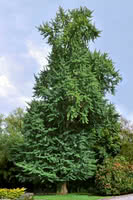
The Ginkgo Biloba is regarded as one of the most distinctive and beautiful of all the deciduous trees, and has remained genetically unchanged for millions of years. Its beautifully fan-shaped leaves develop a clear yellow colour in fall. Graceful and attractive year-round, Ginkgo is the perfect conversation starter in your yard.
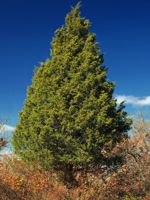
Eastern Red Cedar is native to eastern Canada and is actually a variety of juniper, not cedar. Its pyramidal crown, low hanging branches, and dense, compact foliage makes it an ideal windbreak or shelterbelt tree.
Eastern Red Cedar will attract wildlife to your yard and provide food and shelter for multiple varieties of birds. If you are on the east coast looking to create a windbreak, consider Eastern Red Cedar.
Ginkgo Biloba Quick Facts
Eastern Red Cedar Quick Facts
Toxicity: Uncooked nuts in large quantities