 Owned
Owned

Common Purple Lilac vs Nannyberry
Syringa vulgaris
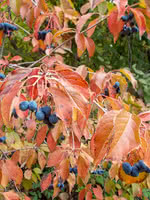
Viburnum lentago
NOT AVAILABLE THIS SEASON - MIGHT RETURN
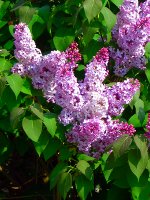
Common Purple Lilac is a popular lilac. This large shrub provides excellent privacy or wind protection in an attractive package.
Lilac flowers are pleasantly fragrant and add a beautiful lavender colour to your property. Common Purple Lilac is cold hardy, easy to grow, and can tolerate most soil types.
Some people alternate villosa and common purple lilacs to create the impression that the hedge is in flower for almost a full month with the common purple flowering about 2 weeks sooner than the Villosa Lilac.
Nannyberry is a hardy shrub known for attracting wildlife. Its clusters of white flowers and tasty berries are suitable for bees, birds, and other animals.
Nannyberry is also used in urban yards and landscaping. This shrub makes a beautiful ornamental and is small enough to grow underneath power lines. Its berries can be eaten fresh or used in baking and preserves.
Makes a great hedge or privacy screen in an urban yard. Often has great red fall color to complement its spring flowers.
Common Purple Lilac Quick Facts
Nannyberry Quick Facts
In row spacing: 0.9 m (3 ft)