 Owned
Owned

Russian Olive vs Ginkgo Biloba
Elaeagnus angustifolia
Ginkgo biloba
NOT AVAILABLE THIS SEASON - MIGHT RETURN
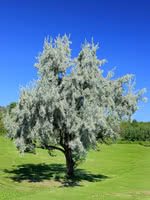
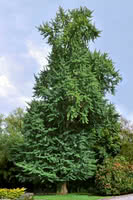
Russian Olive is a medium-sized deciduous tree that has attractive silvery coloured foliage with small yellow flowers that emit a fragrant sweet smell.
It is drought and salt tolerant, and works well as a shelterbelt species. Russian Olive can also be used to combat erosion.
Note: although Russian Olive is planted as an attractive boulevard tree in many northern areas, in warmer areas it can invade watersheds and is considered invasive. Please do some research and plant the right tree in the right place.
The Ginkgo Biloba is regarded as one of the most distinctive and beautiful of all the deciduous trees, and has remained genetically unchanged for millions of years. Its beautifully fan-shaped leaves develop a clear yellow colour in fall. Graceful and attractive year-round, Ginkgo is the perfect conversation starter in your yard.
Russian Olive Quick Facts
Ginkgo Biloba Quick Facts
Toxicity: Uncooked nuts in large quantities
In row spacing: 1.8 - 2.4 m (6 - 8 ft)