 Owned
Owned

Blue Grama Grass vs Knotted Rush
Bouteloua gracilis
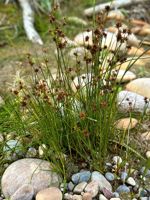
Juncus nodosus
NOT AVAILABLE THIS SEASON - MIGHT RETURN
NOT AVAILABLE THIS SEASON - MIGHT RETURN
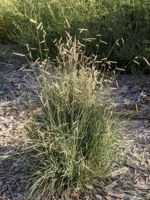
Blue Grama is a native perennial bunchgrass recognized for its blue-green blades and unique seed heads. They grow along one side of the stem and are often compared to eyelashes, eyebrows, or mosquito larvae, which inspired its common names, Eyelash Grass and Mosquito Grass. As the seed heads begin to dry in the fall, they curl, further enhancing the plant’s distinctive appearance. The seeds provide food for birds, and the grass serves as a host plant for certain species of skipper butterflies.
As a warm-season grass, Blue Grama has a slow start in spring and does not actively grow until soil temperatures rise. Its deep roots help with erosion control, and the grass is drought-tolerant once established, thriving even in poor or alkaline soils. It is well-suited for soil stabilization, naturalization, restoration projects, or as an ornamental accent in gardens and landscapes.
Knotted Rush is a native perennial wetland plant found growing in marshes, swamps, wet meadows, and along shorelines. It spreads by underground rhizomes to form colonies, which can also help stabilize soils and shorelines.
Its upright, slender stems and small clusters of greenish-brown seed heads add structure to wetland plant communities. Knotted Rush is well-suited to wetland conservation, rain gardens, naturalization, and restoration projects. As a cool-season grower, it grows actively during spring and fall, when temperatures are cooler.