 Owned
Owned

Blue Grama Grass vs Hardstem Bulrush
Bouteloua gracilis
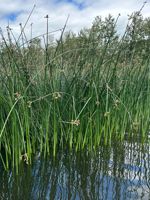
Schoenoplectus acutus
NOT AVAILABLE THIS SEASON - MIGHT RETURN
NOT AVAILABLE THIS SEASON - MIGHT RETURN
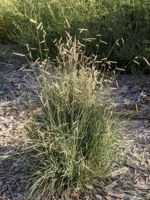
Blue Grama is a native perennial bunchgrass recognized for its blue-green blades and unique seed heads. They grow along one side of the stem and are often compared to eyelashes, eyebrows, or mosquito larvae, which inspired its common names, Eyelash Grass and Mosquito Grass. As the seed heads begin to dry in the fall, they curl, further enhancing the plant’s distinctive appearance. The seeds provide food for birds, and the grass serves as a host plant for certain species of skipper butterflies.
As a warm-season grass, Blue Grama has a slow start in spring and does not actively grow until soil temperatures rise. Its deep roots help with erosion control, and the grass is drought-tolerant once established, thriving even in poor or alkaline soils. It is well-suited for soil stabilization, naturalization, restoration projects, or as an ornamental accent in gardens and landscapes.
Hardstem Bulrush is a tall, native perennial wetland plant that thrives in shallow water and saturated soils, often forming extensive stands in wetland and shoreline habitats. Well suited to riparian restoration, bank stabilization, shoreline protection, and naturalization projects, it spreads through underground rhizomes to form dense colonies.
Hardstem Bulrush’s tall growth provides valuable cover and nesting habitat for waterfowl, songbirds, and small mammals, while its late-summer seeds provide food for waterfowl and other birds.