 Owned
Owned

Anise Hyssop vs Showy Milkweed
Agastache foeniculum
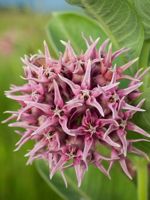
Asclepias speciosa
NOT AVAILABLE THIS SEASON - MIGHT RETURN
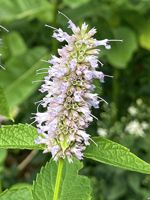
Anise Hyssop is a native perennial wildflower known for its fragrant spikes of small purple flowers. This plant is an excellent source of nectar and is highly attractive to a variety of bees and other pollinators. Deadheading spent flowers will encourage more blooms throughout the season.
Its aromatic leaves release an anise-like (licorice) scent when crushed. Both the leaves and seeds are edible and have been used in teas and as flavouring. Leaves can be harvested at any time, though the oil content is highest just past full bloom. Deer tend to avoid Anise Hyssop because of its strong-smelling leaves. This makes it a useful plant for positioning as a protective border around more vulnerable species.
Anise Hyssop spreads by seeds and rhizomes, but is less aggressive than other members of the mint family and is easy to remove if needed. Historically, it was planted in large numbers as a honey plant to support apiaries. Birds also feed on its seeds, adding to its ecological value.
Showy Milkweed is a native perennial wildflower known for its fragrant clusters of pink to purple, star-shaped flowers. It is an essential plant for Monarch butterflies, acting as a critical host plant for caterpillars and a nectar source for adults. Blooming from early to mid-summer, these flowers also supply nectar to many other pollinators, including bees, butterflies, moths, and hummingbirds.
Ideal for butterfly conservation, pollinator gardens, and naturalization projects, Showy Milkweed thrives in a wide range of soils, including dry and rocky ground. While it spreads via underground rhizomes to form colonies, it is much less aggressive than Common Milkweed (Asclepias syriaca).
Note: All parts of the plant contain toxic cardiac glycosides, especially the milky sap. Do not ingest any part of the plant and prevent sap from contacting skin or eyes. Toxic to humans, pets, and livestock.
Anise Hyssop Quick Facts
Showy Milkweed Quick Facts
Toxicity: toxic to pets, livestock, and humans if ingested, can cause skin and eye irritation.