 Owned
Owned

Red Maple vs Black Locust
Acer rubrum
Robinia pseudoacacia
NOT AVAILABLE THIS SEASON - MIGHT RETURN
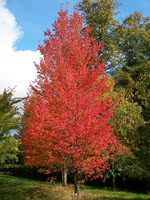
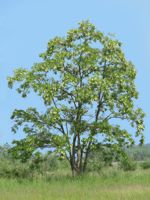
Red Maple is a beautiful deciduous tree that blooms with small red flowers in the spring. It is one of the first trees to change colour in the fall, turning a brilliant reddish-orange colour. It is one of the most common and widespread maples in North America.
Red Maple is a great choice for parks and large gardens where there is ample room for its root system.
Important note: Red Maple leaves are toxic to horses if ingested in quantity.
Black Locust is an attractive tree. Its distinctive leaves are made of about a dozen bright green leaflets. It also notable for its fragrant white flowers, which smell of citrus.
Black Locust can grow in many situations, but prefers dry areas with lots of sun. It is robust and is an excellent choice for establishing shade in dry, open areas.
Important note: Much of the Black Locust is toxic to humans and livestock, including seeds, bark, and leaves.
Red Maple Quick Facts
Black Locust Quick Facts
Toxicity: wilted leaves toxic to horses
In row spacing: 2.4 - 4 m (8 - 12 ft)