 Owned
Owned

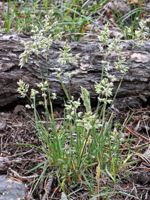
Alpine Bluegrass vs Bebbs Sedge
Carex bebbii
Poa alpina
NOT AVAILABLE THIS SEASON - MIGHT RETURN
CUSTOM GROW
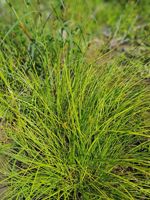
Bebb’s Sedge is a native perennial wetland plant that forms dense clumps of grass-like stems. It grows in a variety of wetland habitats, from marshes and wet meadows to lakeshores and stream banks. Ideal for rain gardens, riparian restoration, soil stabilization, and naturalization projects.
In late spring and early summer, Bebb’s Sedge produces clustered seed heads that mature from green to reddish-brown, adding seasonal interest while providing food and habitat for wildlife. As a cool-season plant, it grows most actively in the spring and as temperatures cool in the fall.
Alpine Bluegrass is a native perennial bunchgrass adapted to cold, high-altitude, and northern environments. It establishes well in harsh mountain and tundra conditions, thriving even in nutrient-poor soils. Its dense tufts provide reliable ground cover in alpine and subalpine habitats.
Hardy and low-maintenance, Alpine Bluegrass is valued in revegetation and erosion control projects due to its strong root system. It provides forage for wildlife and livestock, while its dense growth also offers cover for small animals. Well-suited for reclamation and soil stabilization in high-elevation and northern regions, Alpine Bluegrass is a key species for strengthening fragile landscapes, though it is also found in lower-elevation sites.