 Owned
Owned

Silky Lupine vs Lewis Mock Orange
Lupinus sericeus
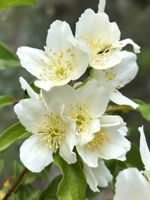
Philadelphus lewisii
CUSTOM GROW
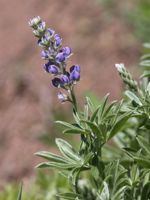
Silky Lupine is a native perennial wildflower known for its upright spikes of blue to violet flowers. Blooming from late spring into summer, the nectar-rich, showy blossoms attract a variety of pollinators, especially bees and butterflies. The plant’s fine, silky foliage provides soft texture and visual interest, enhancing landscapes throughout the growing season.
Silky Lupine is a nitrogen-fixing plant that enriches soils and supports surrounding vegetation. Its deep roots stabilize soil, and it spreads naturally by ejecting seeds from drying pods. If spread isn’t desired, new seedlings are easy to remove. While it is foraged by some wild animals, it contains alkaloids that are toxic to livestock. Silky Lupine is well-suited to pollinator gardens, naturalization plantings, erosion control, and ecological restoration projects.
Lewis Mock Orange is a flowering ornamental shrub that produces an abundance of white, fragrant blooms. The flowers have a sweet scent similar to orange blossoms, with a hint of pineapple. They bloom for several weeks from late spring to early summer, attracting pollinators and other beneficial insects.
Native to North America, Lewis Mock Orange is found from the southernmost portions of Alberta and British Columbia, and south into the northwestern United States. It makes an attractive shrub and can be used in hedgerows, pollinator gardens, and naturalization projects. Blooms occur on the previous year’s wood, so it is recommended to prune after it has finished flowering.
Silky Lupine Quick Facts
Lewis Mock Orange Quick Facts
Toxicity: toxic to sheep and other livestock